
Products
Products
- All |
- Skincare |
- Weightloss |
Filters
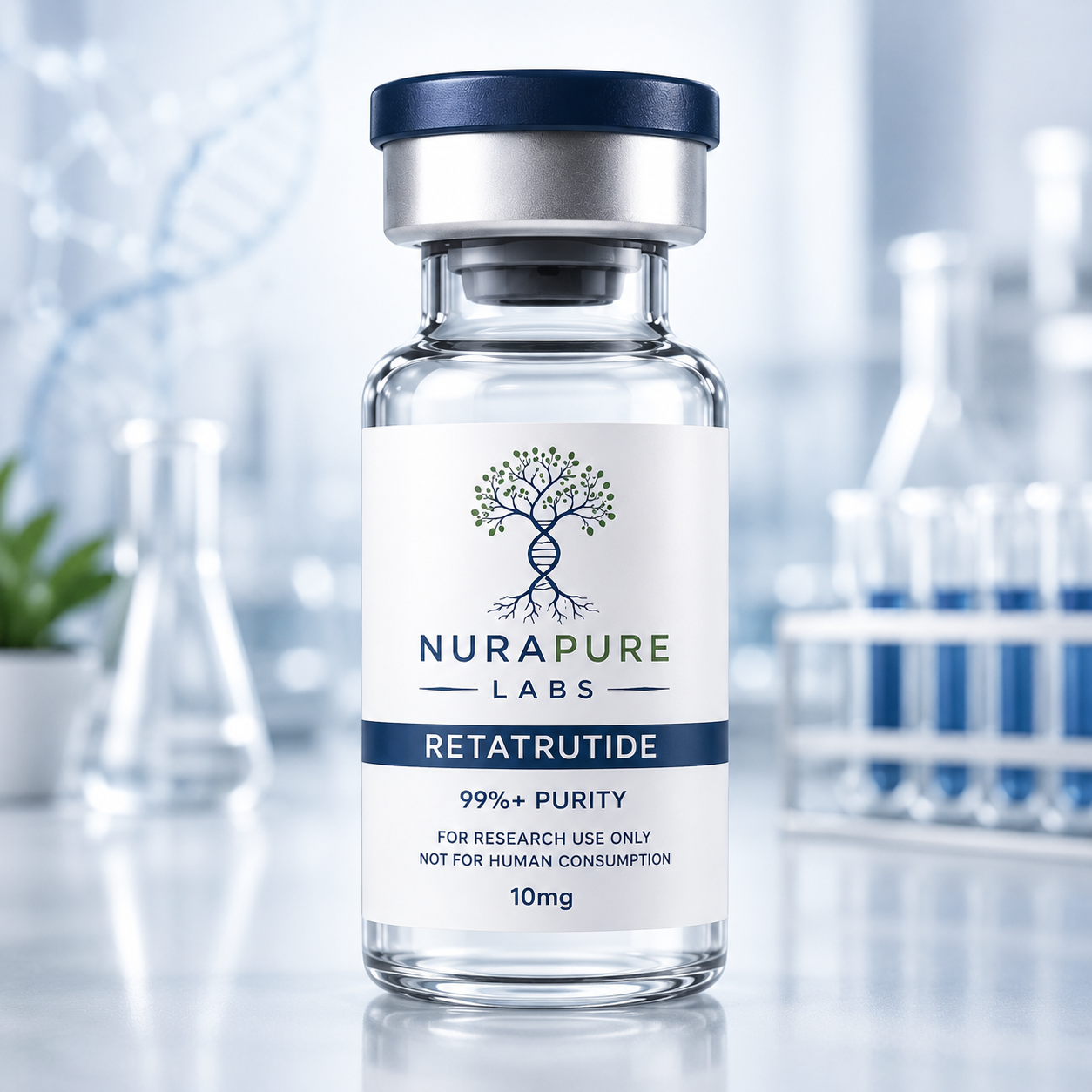
Retatrutide is a novel triple hormone receptor agonist under investigation for its effects on metabolic regulation. It is designed to simultaneously activate three receptors involved in energy and glucose homeostasis:
GLP-1 receptor (glucagon-like peptide-1)
GIP receptor (glucose-dependent insulinotropic polypeptide)
Glucagon receptor
By engaging all three pathways, retatrutide differs from single- or dual-agonist compounds (such as semaglutide or tirzepatide), which target only one or two of these receptors. This triple-agonist mechanism is of interest to researchers studying appetite regulation, insulin sensitivity, lipid metabolism, and energy expenditure.
Research applications include:
Obesity and body composition studies
Type 2 diabetes and glycemic control research
Investigations into hepatic fat reduction (e.g., NAFLD/MASLD models)
Comparative studies against GLP-1/GIP dual agonists
Molecular characteristics:
Peptide-based, developed by Eli Lilly
Currently in Phase 3 clinical trials (not yet FDA-approved)
Typically supplied as a lyophilized powder for reconstitution in research settings
Important: This product is intended strictly for in-vitro laboratory research use only. It is not for human or animal consumption, and is not a drug, food, or cosmetic. Not evaluated for safety, efficacy, or purity for clinical use. Handle only in a controlled research environment by qualified personnel.
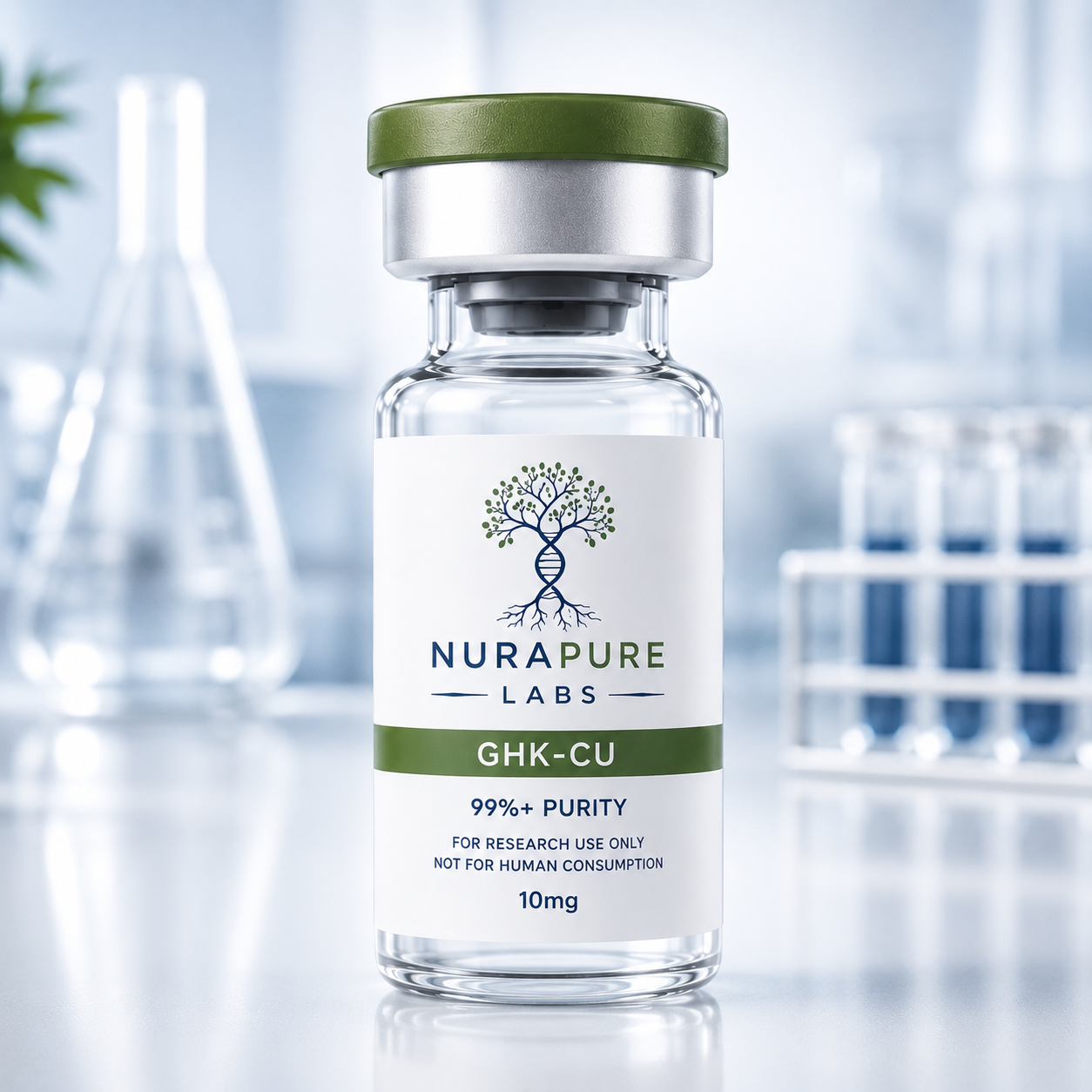
GHK-Cu is a naturally occurring copper complex of the tripeptide glycyl-L-histidyl-L-lysine (GHK). First identified in human plasma, it is found naturally in the body but declines significantly with age. GHK-Cu is widely studied for its role in tissue remodeling, wound healing, and antioxidant activity.
Proposed mechanisms of action:
Stimulates collagen and elastin synthesis via fibroblast activity
Modulates expression of genes involved in tissue repair
Exhibits antioxidant and anti-inflammatory properties
Acts as a chemoattractant for immune cells involved in wound healing
Supports angiogenesis (formation of new blood vessels)
Research applications include:
Skin regeneration and anti-aging studies
Wound healing and tissue repair models
Hair follicle and dermal papilla research
Antioxidant and anti-inflammatory pathway studies
Studies on copper's role in extracellular matrix remodeling
Molecular characteristics:
Naturally occurring copper-binding peptide
Small molecular weight, water-soluble
Commonly used topically in cosmetic formulations, and studied via injectable routes in research settings
Highly stable due to copper-chelation structure
Important: This product is intended strictly for in-vitro laboratory research use only. It is not for human or animal consumption, and is not a drug, food, or cosmetic when sold in this form. Not evaluated for safety, efficacy, or purity for clinical use. Handle only in a controlled research environment by qualified personnel.
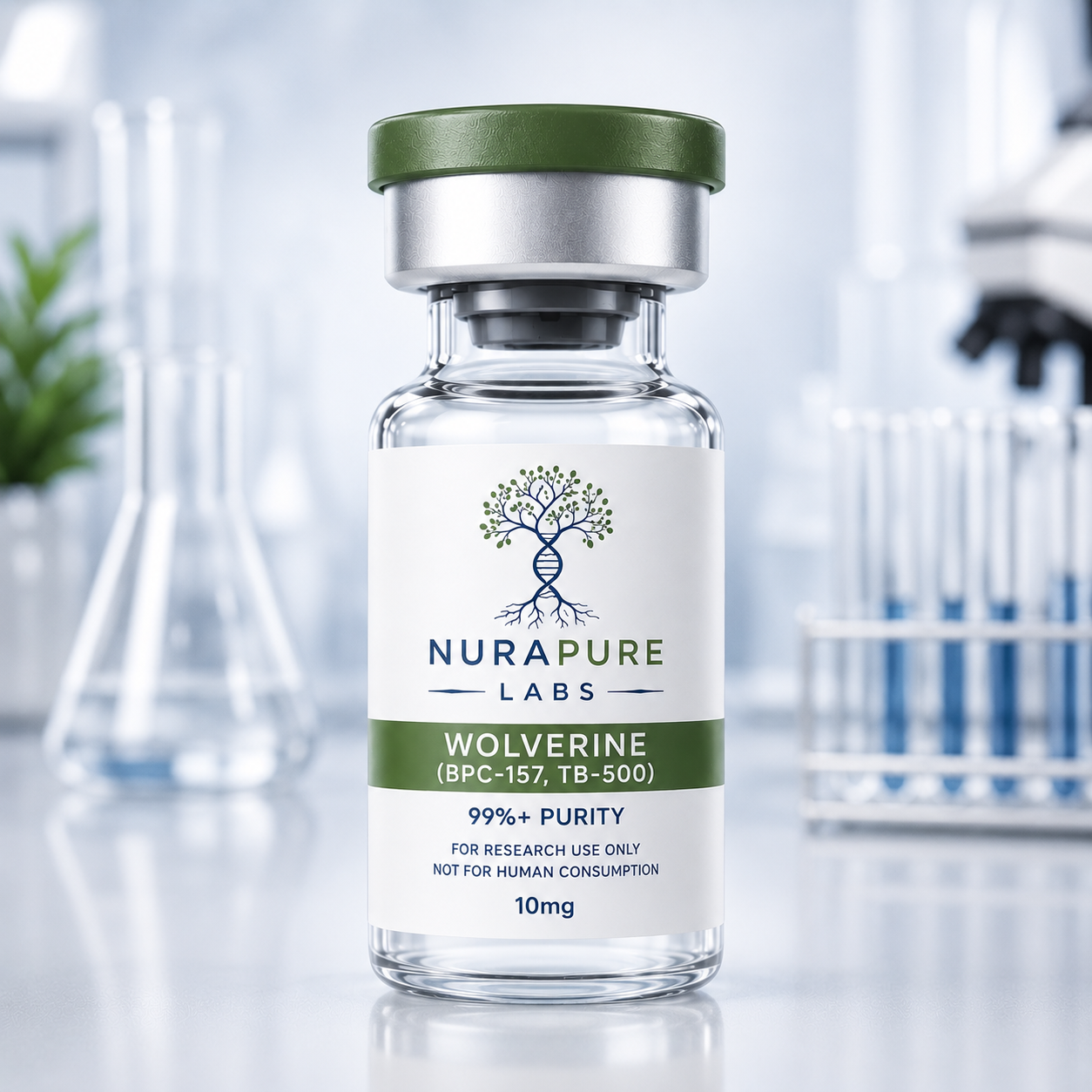
BPC-157 (Body Protection Compound-157)
BPC-157 is a synthetic peptide derived from a partial sequence of a protective protein found in human gastric juice. It is one of the most widely studied peptides in the context of tissue repair and has become a common reference point in soft-tissue healing research.
Proposed mechanisms of action:
Promotes angiogenesis (formation of new blood vessels) to support tissue repair
Upregulates growth factor receptors involved in healing (e.g., VEGFR2)
Modulates nitric oxide production
Supports fibroblast migration and collagen organization in tendon/ligament models
Studied for gut-brain axis and gastrointestinal lining protection
Research applications include:
Tendon, ligament, and muscle injury models
Gastrointestinal ulcer and gut lining repair studies
Wound healing and post-surgical recovery research
Neuroprotection and gut-brain axis studies
Molecular characteristics:
15-amino acid partial peptide sequence
Stable across a wide pH range
Typically supplied as a lyophilized powder for reconstitution
TB-500 (Thymosin Beta-4 fragment)
TB-500 is a synthetic version of a naturally occurring fragment of Thymosin Beta-4, a protein present in nearly all human and animal cells. It is studied primarily for its role in cell migration, actin regulation, and tissue regeneration.
Proposed mechanisms of action:
Regulates actin (a key structural protein) to promote cell migration to injury sites
Supports formation of new blood vessels and reduces inflammation
Promotes migration of stem cells to damaged tissue
Studied for effects on muscle, tendon, and cardiac tissue repair
Research applications include:
Muscle and tendon injury recovery models
Cardiac tissue repair studies (post-ischemia models)
Wound healing and scar tissue formation research
Hair follicle and flexibility-related studies
Molecular characteristics:
43-amino acid peptide fragment
Naturally occurring in wound fluid
Typically supplied as a lyophilized powder for reconstitution
Note on "Wolverine Stack": This is an informal name used in research/enthusiast communities for a combination of BPC-157 and TB-500, based on the premise that pairing a compound associated with localized tissue repair (BPC-157) with one associated with systemic cell migration and regeneration (TB-500) may have complementary effects in injury-recovery research models. There is no clinical or regulatory basis for this naming — it's not an official product designation.
Important: These products are intended strictly for in-vitro laboratory research use only. They are not for human or animal consumption, and are not drugs, foods, or cosmetics. Not evaluated for safety, efficacy, or purity for clinical use. Handle only in a controlled research environment by qualified personnel.
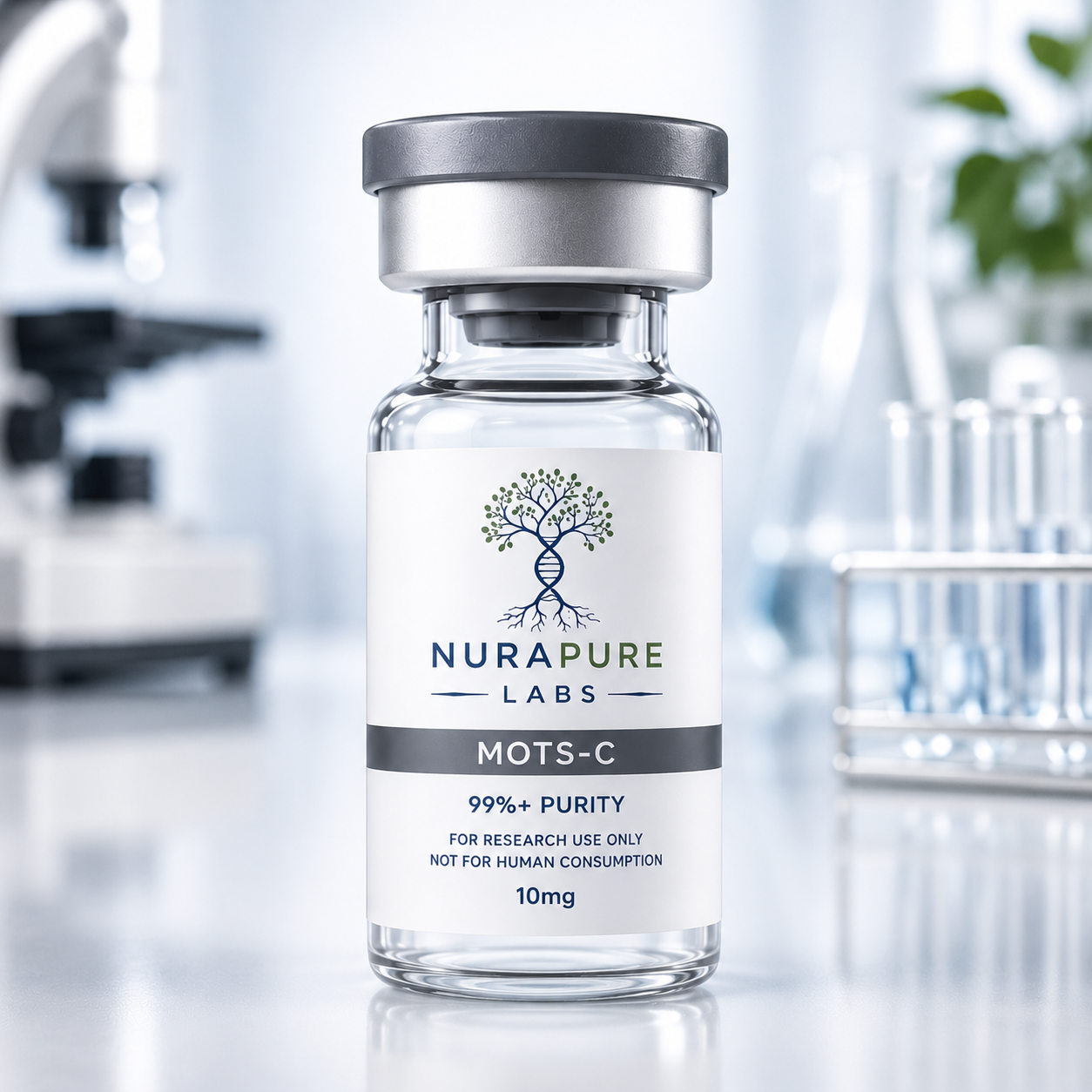
MOTS-c (Mitochondrial Open Reading Frame of the 12S rRNA-c) is a mitochondrial-derived peptide encoded within the mitochondrial genome. It is one of a small class of "mitochondrial-derived peptides" (MDPs) identified as signaling molecules that communicate between mitochondria and the nucleus, and has become a focus of research into metabolic regulation and cellular aging.
Proposed mechanisms of action:
Activates AMPK (AMP-activated protein kinase), a central regulator of cellular energy metabolism
Promotes glucose uptake and utilization independent of insulin signaling
Regulates gene expression via the "mitochondrial-nuclear communication" pathway, including translocation to the nucleus under metabolic stress
Influences fatty acid oxidation and metabolic homeostasis
Studied for potential roles in counteracting age-related and diet-induced insulin resistance
Research applications include:
Metabolic syndrome and insulin resistance studies
Exercise physiology and metabolic adaptation research
Aging and longevity-related pathway studies
Obesity and energy balance models
Mitochondrial function and cellular stress response research
Molecular characteristics:
16-amino acid peptide
Derived from the mitochondrial 12S rRNA gene region
Endogenously produced, with levels shown to decline with age in some studies
Water-soluble, typically supplied as a lyophilized powder for reconstitution
Important: This product is intended strictly for in-vitro laboratory research use only. It is not for human or animal consumption, and is not a drug, food, or cosmetic. Not evaluated for safety, efficacy, or purity for clinical use. Handle only in a controlled research environment by qualified personnel.
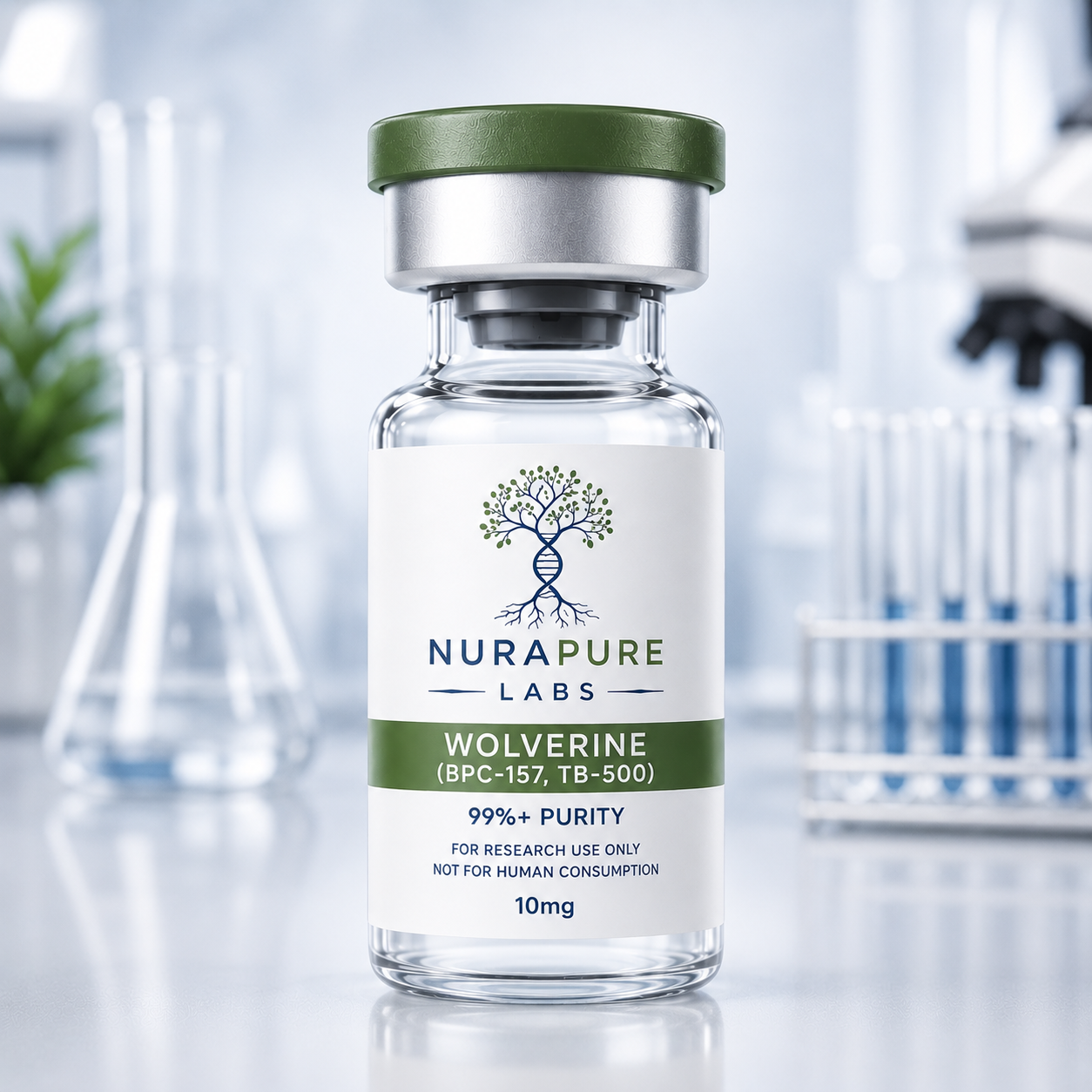
BPC-157 (Body Protection Compound-157)
BPC-157 is a synthetic peptide derived from a partial sequence of a protective protein found in human gastric juice. It is one of the most widely studied peptides in the context of tissue repair and has become a common reference point in soft-tissue healing research.
Proposed mechanisms of action:
Promotes angiogenesis (formation of new blood vessels) to support tissue repair
Upregulates growth factor receptors involved in healing (e.g., VEGFR2)
Modulates nitric oxide production
Supports fibroblast migration and collagen organization in tendon/ligament models
Studied for gut-brain axis and gastrointestinal lining protection
Research applications include:
Tendon, ligament, and muscle injury models
Gastrointestinal ulcer and gut lining repair studies
Wound healing and post-surgical recovery research
Neuroprotection and gut-brain axis studies
Molecular characteristics:
15-amino acid partial peptide sequence
Stable across a wide pH range
Typically supplied as a lyophilized powder for reconstitution
TB-500 (Thymosin Beta-4 fragment)
TB-500 is a synthetic version of a naturally occurring fragment of Thymosin Beta-4, a protein present in nearly all human and animal cells. It is studied primarily for its role in cell migration, actin regulation, and tissue regeneration.
Proposed mechanisms of action:
Regulates actin (a key structural protein) to promote cell migration to injury sites
Supports formation of new blood vessels and reduces inflammation
Promotes migration of stem cells to damaged tissue
Studied for effects on muscle, tendon, and cardiac tissue repair
Research applications include:
Muscle and tendon injury recovery models
Cardiac tissue repair studies (post-ischemia models)
Wound healing and scar tissue formation research
Hair follicle and flexibility-related studies
Molecular characteristics:
43-amino acid peptide fragment
Naturally occurring in wound fluid
Typically supplied as a lyophilized powder for reconstitution
Note on "Wolverine Stack": This is an informal name used in research/enthusiast communities for a combination of BPC-157 and TB-500, based on the premise that pairing a compound associated with localized tissue repair (BPC-157) with one associated with systemic cell migration and regeneration (TB-500) may have complementary effects in injury-recovery research models. There is no clinical or regulatory basis for this naming — it's not an official product designation.
Important: These products are intended strictly for in-vitro laboratory research use only. They are not for human or animal consumption, and are not drugs, foods, or cosmetics. Not evaluated for safety, efficacy, or purity for clinical use. Handle only in a controlled research environment by qualified personnel.
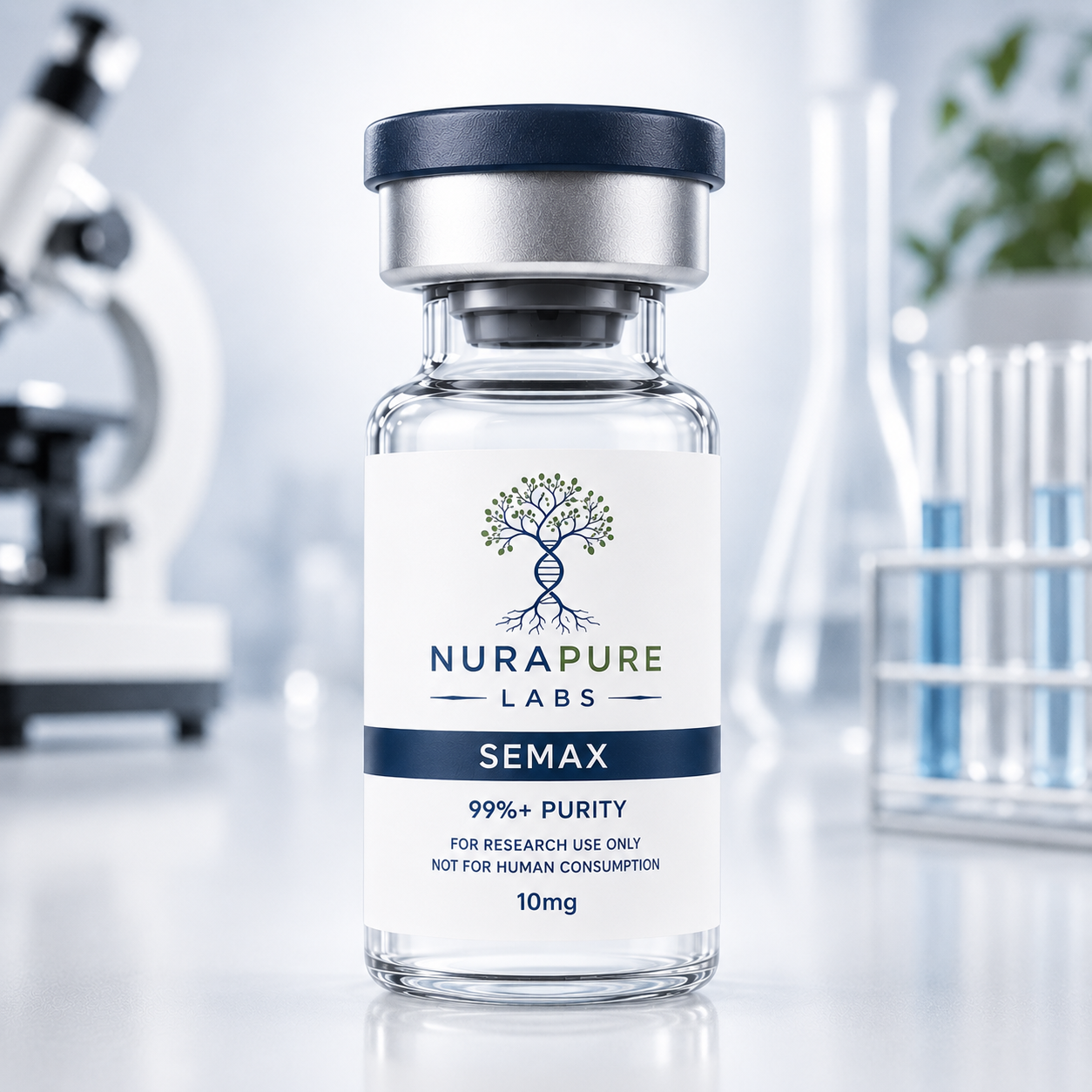
Semax is a synthetic peptide derived from a fragment of adrenocorticotropic hormone (ACTH), originally developed in Russia and studied for its effects on the central nervous system. It lacks the hormonal activity of ACTH itself and is instead studied for neurological and cognitive effects.
Proposed mechanisms of action:
Increases expression of brain-derived neurotrophic factor (BDNF), which supports neuron growth and survival
Modulates dopamine and serotonin turnover in the central nervous system
Influences cholinergic system activity, associated with attention and memory
Exhibits antioxidant and neuroprotective properties in models of cerebral ischemia
Studied for effects on cerebral blood flow
Research applications include:
Cognitive function and memory studies
Neuroprotection and ischemic stroke recovery models
Attention and focus-related research (including ADHD-adjacent models)
Neurodegenerative disease research
Stress and neuroendocrine response studies
Molecular characteristics:
7-amino acid synthetic peptide (Met-Glu-His-Phe-Pro-Gly-Pro)
Structurally related to ACTH(4-10) fragment, with additional stabilizing amino acids
Approved as a prescription drug in Russia and some CIS countries (marketed under names like Semax) for conditions including stroke recovery and cognitive impairment — not approved by the FDA or EMA
Commonly studied via intranasal administration routes in research settings
Typically supplied as a lyophilized powder for reconstitution
Important: This product is intended strictly for in-vitro laboratory research use only. It is not for human or animal consumption, and is not a drug, food, or cosmetic in this context. Not evaluated for safety, efficacy, or purity for clinical use in your jurisdiction. Handle only in a controlled research environment by qualified personnel.
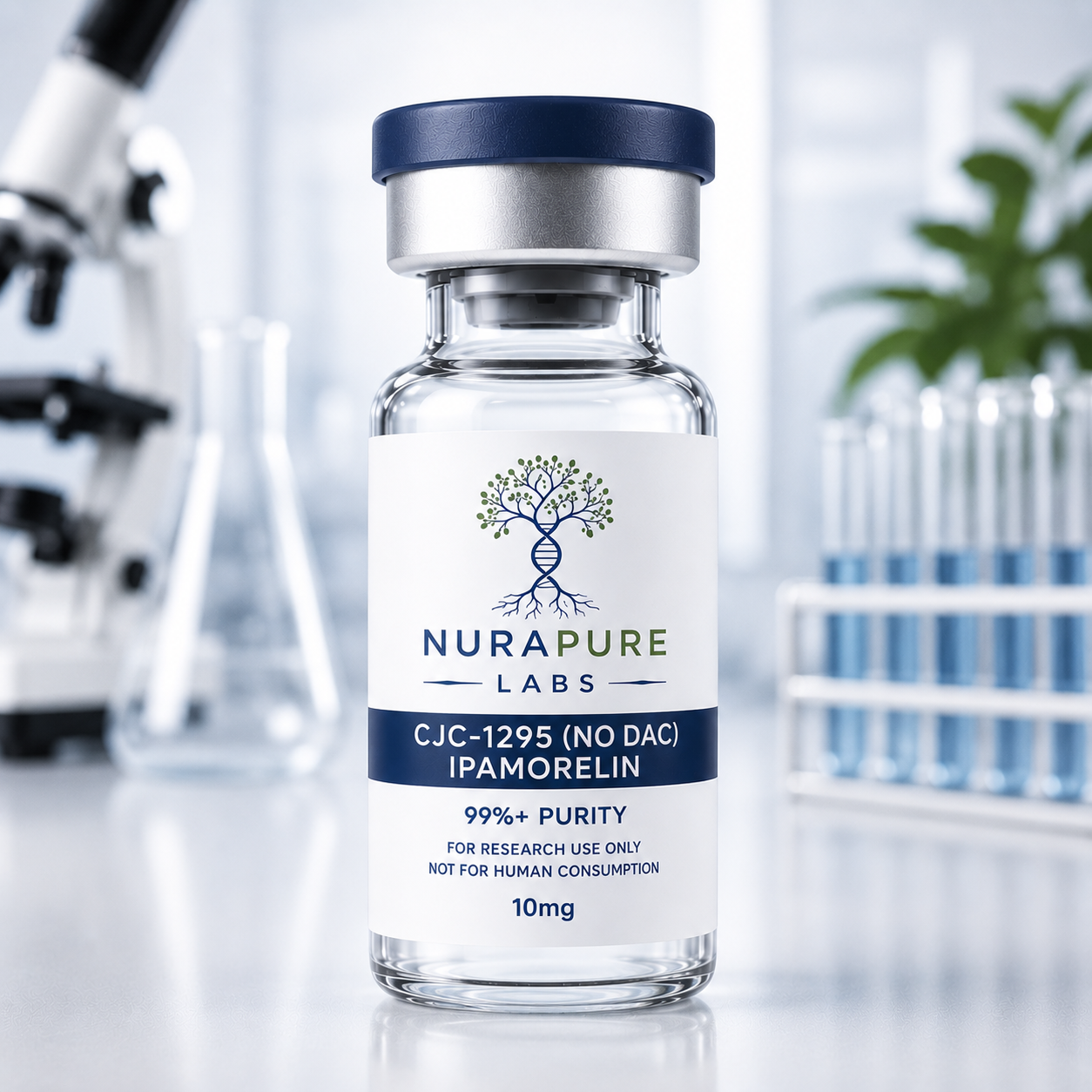
CJC-1295 (No DAC) / Ipamorelin
CJC-1295 (No DAC) and Ipamorelin are two peptides frequently studied together for their complementary effects on growth hormone (GH) secretion. This pairing is one of the most commonly referenced combinations in growth hormone secretagogue research.
CJC-1295 (No DAC):
A modified analog of growth hormone-releasing hormone (GHRH)
"No DAC" refers to the version without Drug Affinity Complex, giving it a short half-life (as opposed to the long-acting DAC version)
Stimulates the pituitary gland to synthesize and release growth hormone
Studied for its role in producing a natural, pulsatile GH release pattern
Ipamorelin:
A selective growth hormone secretagogue and ghrelin receptor agonist
Stimulates GH release via a mechanism distinct from GHRH analogs
Considered highly selective, with research suggesting minimal impact on cortisol, prolactin, or acetylcholine compared to older secretagogues (e.g., GHRP-6)
Rationale for combination:
CJC-1295 (No DAC) and Ipamorelin act on two different receptor pathways involved in GH release (GHRH receptor and ghrelin receptor, respectively). Research suggests combining GHRH analogs with ghrelin mimetics may produce a synergistic, more pronounced GH pulse than either compound studied alone.
Research applications include:
Growth hormone axis and pituitary function studies
Body composition, lean mass, and lipolysis research
Sleep quality and GH-related recovery studies
Aging and GH decline research models
Molecular characteristics:
CJC-1295 (No DAC): 29-amino acid peptide, short half-life (approx. 30 minutes)
Ipamorelin: 5-amino acid peptide, pentapeptide structure
Both typically supplied as lyophilized powders for reconstitution, often co-blended in a single vial for research convenience
Important: These products are intended strictly for in-vitro laboratory research use only. They are not for human or animal consumption, and are not drugs, foods, or cosmetics. Not evaluated for safety, efficacy, or purity for clinical use. Handle only in a controlled research environment by qualified personnel.
No results found
No results match your search. Try removing a few filters.